Journal home / All articles / The restoration process
When restoration is the wrong job
A membrane cannot resurrect rotten battens, a collapsed valley or a roof that is already moving. Some Brisbane houses need a different sentence — replacement, structural work, or a refusal to paint over a leak.
Meredith Keane · 26 May 2025 · Updated 2 July 2026
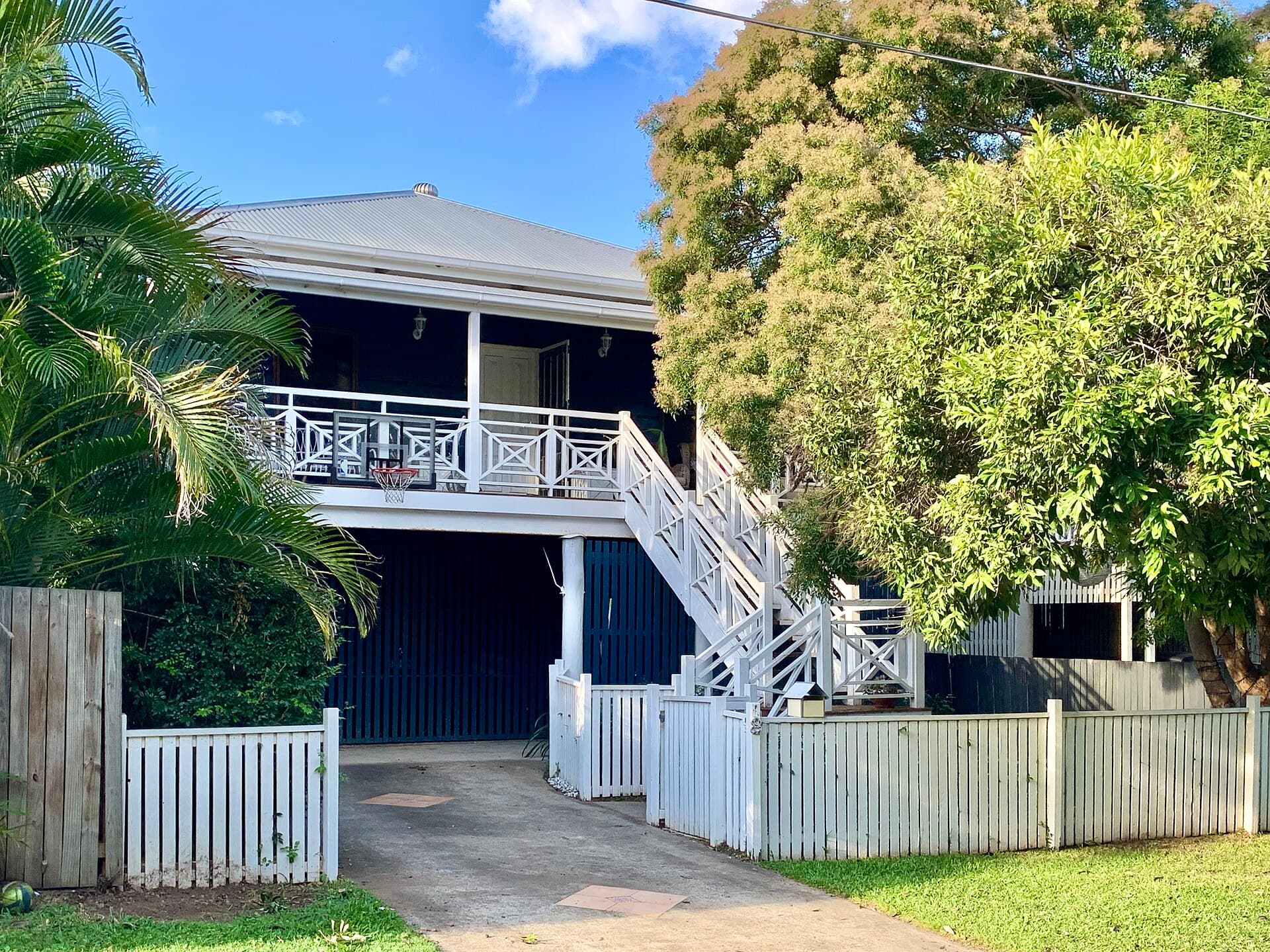
Low-set house and roofscape in Corinda. Photograph: Kgbo. CC BY-SA 4.0. Source: Wikimedia Commons. See the image credits page.
Restoration is a good word for a roof that is still, in the main, a roof. Tiles in place. Timber that can take a boot. Valleys that are stained, not absent. A ridge that has failed as pointing fails, not as a structure fails. Plenty of houses in Aspley, Birkdale and Sunnybank Hills sit in that category, and a competent sequence will give them another stretch of weather. This essay is about the other houses: the ones where a membrane would be a courtesy to the street and an insult to the ceiling.
The old trade knew the difference. Crews walked away, or they should have, when the inspection found compost where a batten should be. The brochure did not have a panel for that walk-away. Quotes still appear, on roofs that should have been stripped, because a coating is easier to price than a conversation. If you are holding one of those quotes, the useful work is to name the conditions under which restoration is the wrong job.
The companion argument — restoration versus a full replacement — is about money, time and the life of the house. This one is about the defects that make the comparison premature. You cannot choose between two jobs until you admit that one of them is theatre.
Rotten battens and the boot test you should not need
Battens are the timber (or, on later roofs, the metal) that tiles hang on. In a dry roof space they last. In a roof space that has been quietly wet — a failed valley, a porous tile run, a bathroom fan that has been pumping steam into the dark for twenty years — they go to mushroom and powder. You will not see that from the street in Corinda. You may see the sag. You may see a line of tiles that sit too low. You will know it when a careful boot finds no resistance, or when a torch from the manhole shows white bloom and the particular orange of timber that has been wet too long.
A membrane is a last coat on a roof that is still a roof. On timber that has already become compost, it is only a colour above a future hole.
Coating a tile that is hanging on a rotten batten is how you decorate a future hole. The next storm, or the next installer, finishes the batten. The tile drops. The membrane, which was never a structural product, goes with it. If the inspection cannot see the battens — insulation, darkness, a hatch that was painted shut — the honest quote includes opening a view, not assuming the 1980s pine is still pine.
Metal battens rust and pull. They are less romantic than rotten hardwood and just as capable of letting a tile go. A restoration that does not mention the batten system has not looked at the thing the tiles consider their job.
Collapsed valleys
A valley that has rusted through is not a stained trough. It is an opening between two roof planes and the rooms below. Water during a Brisbane cell is not a trickle. It is a creek that has been given a hole. Ceilings in Clayfield and Greenslopes have come down on that hole while the tiles above still looked, from the footpath, like a candidate for a charcoal tint.
Patching a collapsed valley with silicone, a bit of flashing tape, or a smear of membrane is the wrong job in miniature. The tiles have to come off. The metal has to be replaced. The substrate, if it has been wet, has to be checked. Then you may restore the rest. If the quote does not price the valley as metalwork, it is pricing a colour over a creek.
Some valleys have already taken the timber with them. That is no longer a roofing conversation alone. That is a carpenter, and possibly an engineer, and a pause before anyone talks about coats.
Widespread tile failure
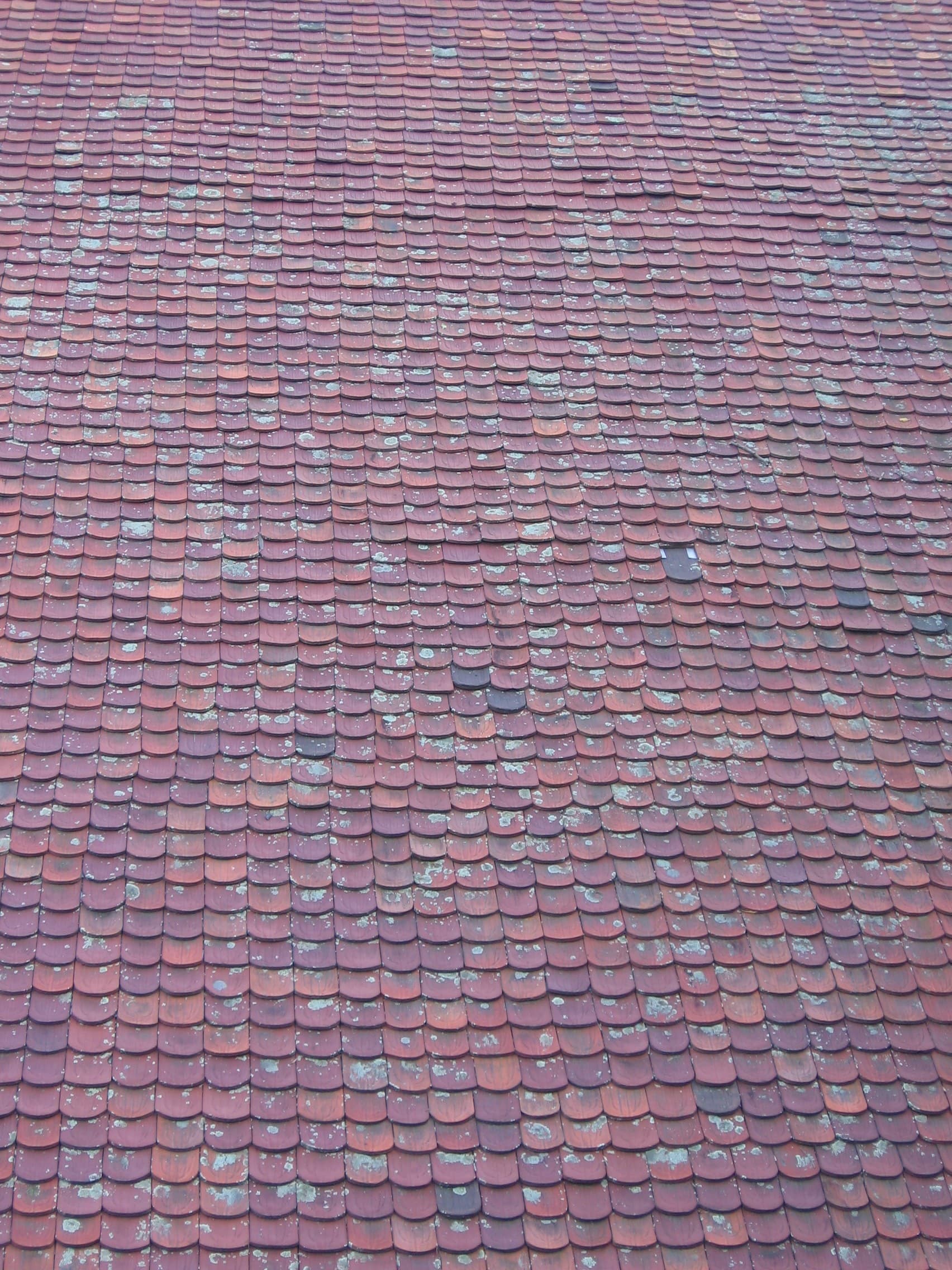
Ones and twos are a restoration. A broken corner in Gumdale, a cracked Marseilles in Chelmer, a handful of concretes that lost their heads to hail in Redcliffe — those are replacements inside a larger job. Widespread failure is different. It is a pitch whose faces are spalling. It is a terracotta run so brittle that the wash would finish it. It is a profile so discontinued that you cannot match a dozen tiles, let alone a hundred.
At some density of failure, “replace the broken ones and coat the rest” becomes a fiction. You are building a mosaic of new and dying, then asking a film to look like a decision. The honest sentence may be a strip of that pitch, or a full replacement, or a change of material. What it is not is a membrane as a unifying myth.
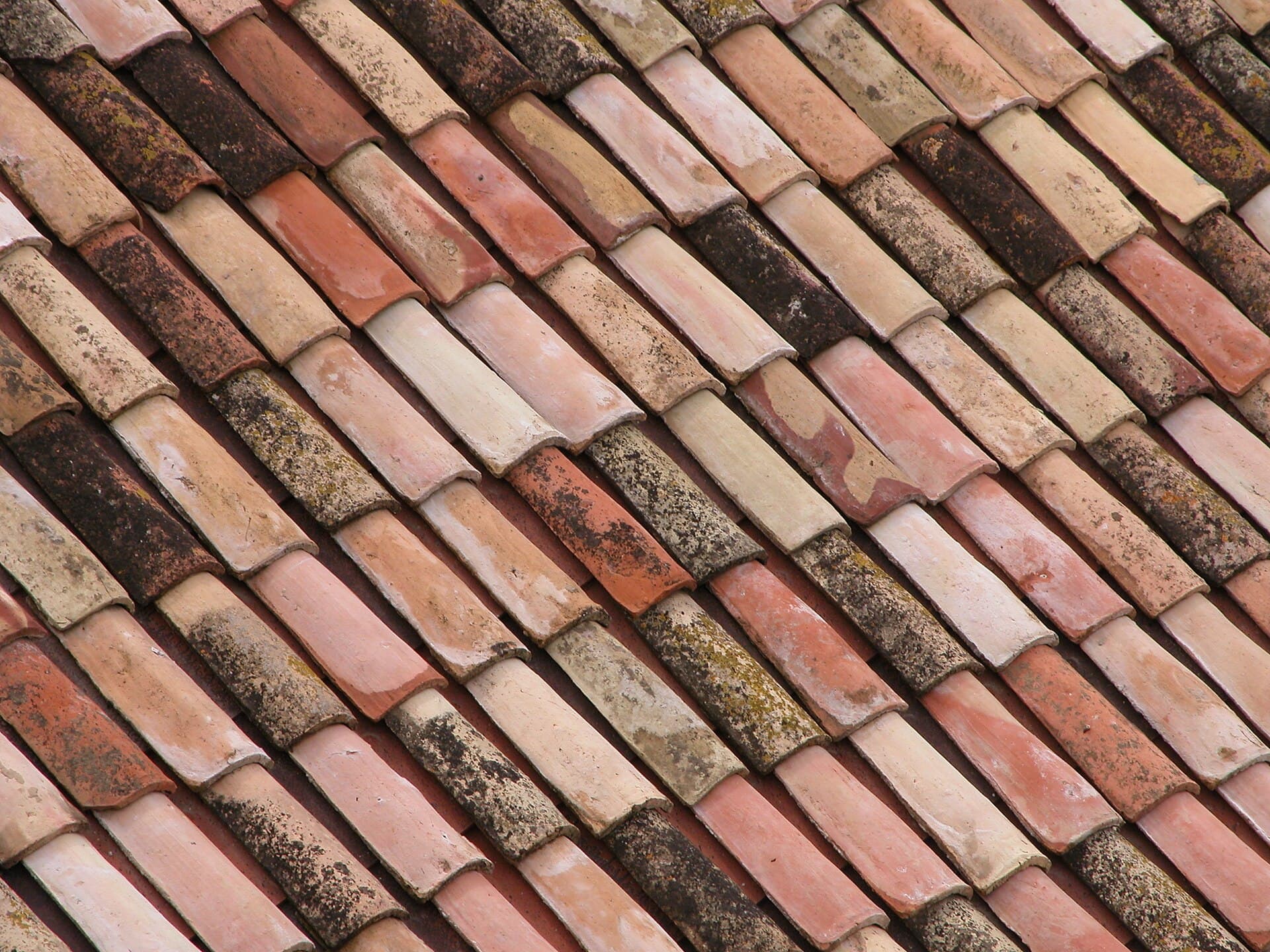
Concrete tiles fail in characteristic ways: corners, faces that powder, pores that have become a garden. Terracotta fails by cracking and by a brittleness you can hear. If the inspector is breaking tiles by standing near them, stop designing a wash. Design an exit.
Structural movement
Houses move. Queenslanders in New Farm and Corinda have been moving since they were stood on stumps. A little movement is why flexible pointing exists. A lot of movement — a ridge that has opened because the building has racked, a hip that no longer meets, tiles that have marched down a pitch because the structure under them has settled — is not a coating problem.
Look at doorways. Look at the line of the eaves. Look at whether the ridge is a roof problem or a house problem. Restoration language on a moving structure promises a film that will tear on a schedule the building already set. Get the movement named by someone who reads buildings, not only roofs. Then decide whether there is still a roof to restore.
Tree roots, washed-out stumps, a renovation that removed a wall and did not mention the roof, a two-storey addition that was tied into an old pitch with optimism — these are common Brisbane stories. None of them are solved by a sealer and two topcoats.
Asbestos and the inspection that has to slow down
Older products on Queensland roofs can include asbestos in ways that are not obvious from a colour chart. Some older tiles, some underlays, some backing and some compounds are in the suspect class. This is not a place for folk certainty. It is a place for identification before anyone grinds, cuts, or runs a hard washer.
Asbestos, older tiles and hidden hazards is the longer treatment. The restoration-specific point is simpler. If the house is of an age and a material that should make you pause — interwar, mid-century, a renovation history nobody wrote down — the first day is not a spray day. It is a sample and a plan. Aggressive restoration methods on a suspect product are how a coating job becomes a contamination job.
Owners sometimes want the restoration anyway, cheaper than a licensed removal. The climate will still be here. The fibre, if it is disturbed, will also still be here, in a form you did not mean to share with the garden. Wrong job.
Painting over leaks
This is the most common wrong job, and the most politely named. A stain on a ceiling in Ascot. A quote for a restoration. A membrane. A second stain after the first decent rain, slightly to the left of the first. The leak was never the tile face. It was a flashing short of the upstand, a pipe collar that had split, a skylight that was installed as if water were a rumour, or a valley that had been “sealed” with a sausage of silicone in 2014.
A membrane can close porosity. It cannot invent an upstand. It cannot replace a collar. It cannot persuade water to ignore a hole. Leak tracing after a new membrane weeps is the aftercare version of this paragraph. The before-care version is: find the path. Fix the path. Then, if the roof is otherwise a candidate, restore.
There is a particular sales move that treats every internal stain as proof that the whole roof needs coating. Sometimes the stain is a single penetration. Sometimes it is a bathroom. Sometimes it is condensation in a tight ceiling space after a cold snap, which is not a roof at all. A restoration sold on a misread stain is the wrong job even if the roof could have used a wash in a year or two.
The mixed roof that wants three specifications
Extensions from different decades produce roofs that are tile on the original, metal on the addition, and a secret third material in the linking valley. One membrane cannot treat the lot. Treating the lot with one membrane is how you fail two materials in order to finish on Friday. That argument belongs also with mixed-material roofs. Here it is a reason to stop: if the inspector cannot name a system for each plane, they should not name a single restoration price.
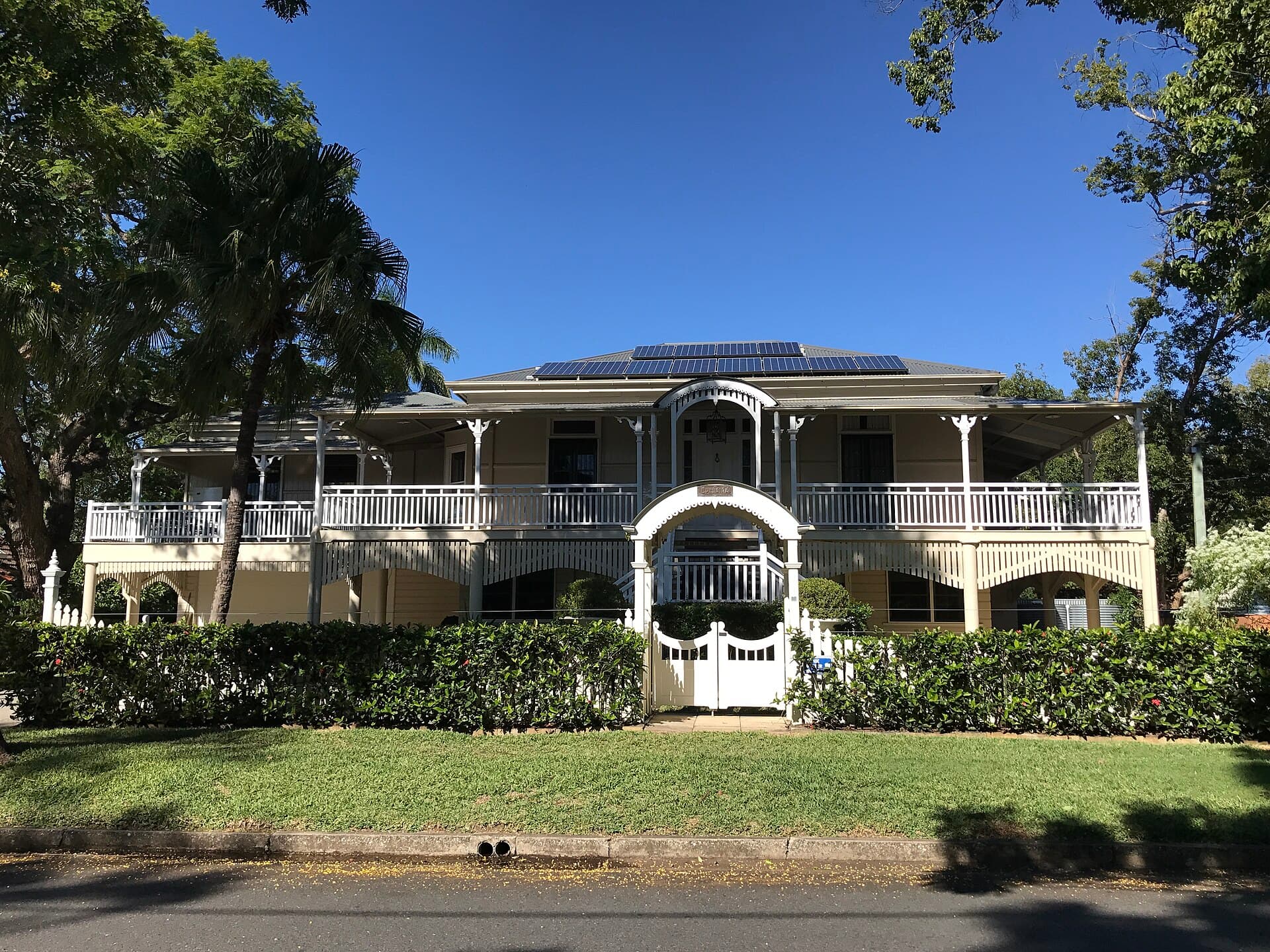
Solar arrays complicate the same honesty. If you cannot access the tiles under the rails, you cannot restore them. You can coat around the array and photograph the rest. The leak, when it comes, will come from the part you could not see. Wrong job, or at least an incomplete one that should be described as such.
How to stop a wrong job before it is scheduled
A useful inspection, the kind that earns a no as well as a yes, will look at more than colour fade.
- Enter the roof space if you can. Battens, light, the smell of long damp.
- Look at valleys as metal, not as stains.
- Count failed tiles as a density, not as anecdotes.
- Read the building for movement, not only the pointing for cracks.
- Age the materials against asbestos caution, then test rather than assume.
- Trace every internal stain to a path, or admit you have not.
If two or three of those checks fail, you are not being negative. You are being accurate. The next sentence might be a partial strip, a carpenter, an engineer, a licensed asbestos plan, or a full replacement. It might still include a restoration of the planes that survive. What it must not include is a cheerful coating date and a colour chart.
Owners are allowed to want the cheaper word. The climate is not obliged to honour it. Brisbane will keep sending cells across the bayside and humidity into every pore a tired tile has left. A membrane is a good last step on a roof that is still a roof. On a roof that has already become a problem in timber, metal or structure, it is only the wrong job, well photographed.
Questions from the verandah
- How do I know if my roof is past restoration?
- If battens are rotten, valleys have collapsed, tiles are failing in sheets rather than ones and twos, or the structure has moved, you are in a different job. A coating will not make timber sound.
- Can a new membrane stop an existing leak?
- Only if the leak was a porous tile face or a hairline in otherwise sound pointing. If the path is a hole, a failed flashing or a rotten valley, the membrane is paint on a wound.
- What if older tiles might contain asbestos?
- Stop guessing and get the material identified. Restoration methods that cut, grind or aggressively wash suspect products are not a bargain. They are a contamination plan you did not mean to write.
- Is a full replacement always the alternative?
- Not always. Sometimes the honest middle is a partial strip, new valleys and battens, and a restoration of what remains. The wrong job is the one that pretends the roof is uniformly saveable.