Journal home / All articles / Money and decisions
Restoration versus full replacement
The honest choice is not a colour chart against a new roof brochure. It is remaining life, energy, insurance and the street, weighed without a fake number on the verandah.
Tom Birtles · 2 June 2025 · Updated 14 July 2026
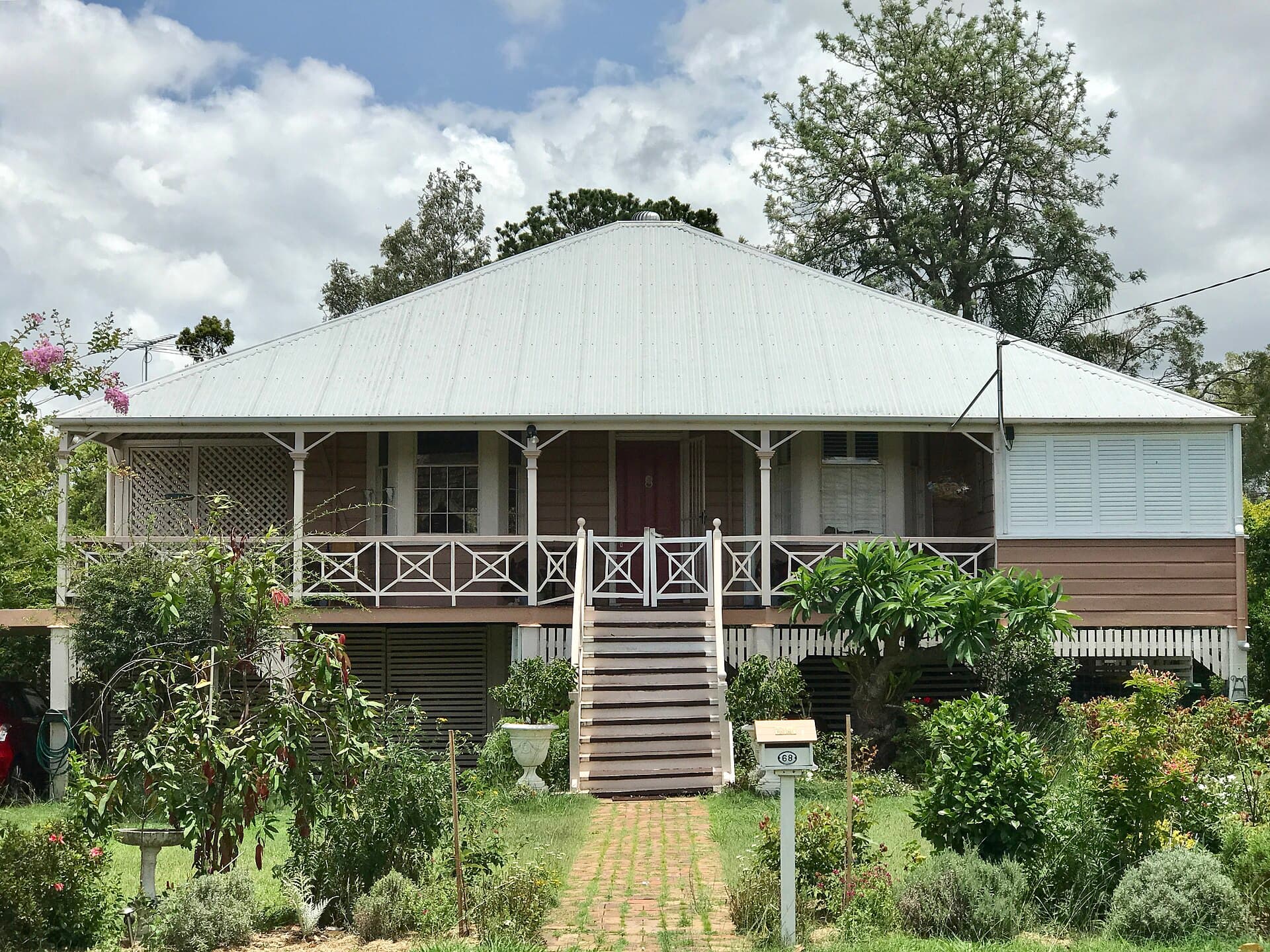
Another Chelmer house and tiled roof from the street. Photograph: Chris Olszewski. CC BY-SA 4.0. Source: Wikimedia Commons. See the image credits page.
There is a moment, on a lot of Brisbane blocks, when the owner is holding two futures. One is a restoration: wash, repairs, ridges, a membrane, a week of drop sheets, a roof that looks attended-to from the street in Chelmer or Graceville. The other is a full replacement: skip, crane, a new covering, a different sound in the rain, a different conversation with the insurer and the next buyer. The moment is often staged as a price fight. It is not a price fight. It is a remaining-life fight, with energy, insurance and the neighbourhood sitting in the second row.
This journal will not invent dollar figures and pretend they are quotes. Labour, access, solar, height and the state of the valleys move the number more than any national average. What can be written honestly is the logic. Restoration is for a roof that is still a roof. Replacement is for a roof that is a shape above a house. The expensive mistake is using one job to postpone the other while calling the postponement a saving.
The cases where the coating should not happen at all are collected in when restoration is the wrong job. The material particularities live in concrete tile roofs across Brisbane suburbs and Colorbond and corrugated metal restoration. This essay is the decision between those paths, made in a city that will test either choice with UV, humidity and a shelf cloud.
Remaining life, which is not the same as remaining colour
A concrete tile can look tired and still have years of body. It can look coated and handsome and be a biscuit. The question is not the photograph from the kerb. It is whether the unit still has strength, whether the lugs still hold, whether the battens are still a structure, whether the valleys are iron or rust, whether the sarking is a membrane or a memory.
Walk, or have walked, with that question and no spray gun in the story yet. Lift a few tiles on the southern pitch, where moss has been keeping a climate. Look at the backs. Look at the batten screws. Look at the valley from above, not from the driveway. In a ceiling space in Sherwood or Carina, look at the light. Daylight where there should be tile is a fact. A general duskiness is sometimes only dust.
Terracotta has a different remaining-life conversation. The tiles may outlast the battens, the flashings and the householder. They may also be unobtainable in the profile that matches the street in Hamilton. Restoration of terracotta is often repair and pointing, not a heavy film. Replacement of terracotta is a heritage and cost event. People who coat terracotta to “seal it” should be able to say what they are sealing besides a look.
Metal remaining life is rust, fastener integrity, and the condition of laps and edges. A faded Colorbond roof in Springfield can be a restoration or a clean-and-leave. A corrugated Queenslander in Red Hill with nail holes from three generations of sheets can be a charming photograph and a poor candidate for another coating. Tin has been painted in this state since there was tin. The question is still the sheet, not the tradition.
If the honest remaining life is short, restoration spends good labour on a bad calendar. If the honest remaining life is long, replacement spends a new roof on a vanity. Most houses sit in the uncomfortable middle, which is why the verandah fills with adjectives. Demand years, not adjectives. “We think there are a good eight to twelve years in these tiles if the valleys go and the ridges are done” is a sentence you can plan with. “It will look like new” is a sentence you can only photograph.
Energy, comfort and the thing a new colour cannot do alone
Replacement can change the energy story more than restoration, but not automatically. New steel in a lighter, infrared-reflective colour, with decent roof-space ventilation and insulation done at the same time, is a different upstairs in February. New tiles of a dark fashionable colour, over the same torn foil, are a new invoice with the old attic.
Restoration can change the energy story too, if the coating is chosen as a heat surface and the roof space is not ignored. It cannot invent eaves. It cannot invent a ridge vent the carpenter never cut. It cannot make a dark western wall in February polite. Treat energy as a house decision that the roof can help, not as a prize that comes free with either path.
There is a labour sequence worth protecting. If you are replacing, that is the moment to do the insulation, the sarking, the solar redesign, the sarking penetrations you have been living with. If you are restoring, that is the moment to refuse to coat over a roof space you have never seen. The cheapest energy mistake is to spend the envelope budget twice: once on a film, once on a replacement two summers later when the upstairs is still a kiln.
Insurance, which reads the roof as a future file
Insurers, as the claims essay says, often like replacement because it is a clean object. A restored roof is a story: part old, part new, a film with conditions, a pointing system with a name. After the next event, the assessor has to decide what belongs to the new storm and what belongs to the old work. That friction is real. It is not a reason, by itself, to skip a sound restoration. It is a reason to document.
If you restore, keep the scope, the photographs from before and after, the product names, the tile counts. If you replace, keep the same. The next claim will not remember your verandah manner. It will remember whether the file looks like a house that was maintained or a house that was disguised.
A replacement after a claim can also be a betterment argument in reverse: the insurer wants tiles, you want steel; the insurer wants like-for-like grey, you want a cool pale; the street wants terracotta, the quote wants the fastest available concrete. Those are not restoration-versus-replacement fights. They are taste-and-policy fights wearing the same hats. Separate them or you will lose both.
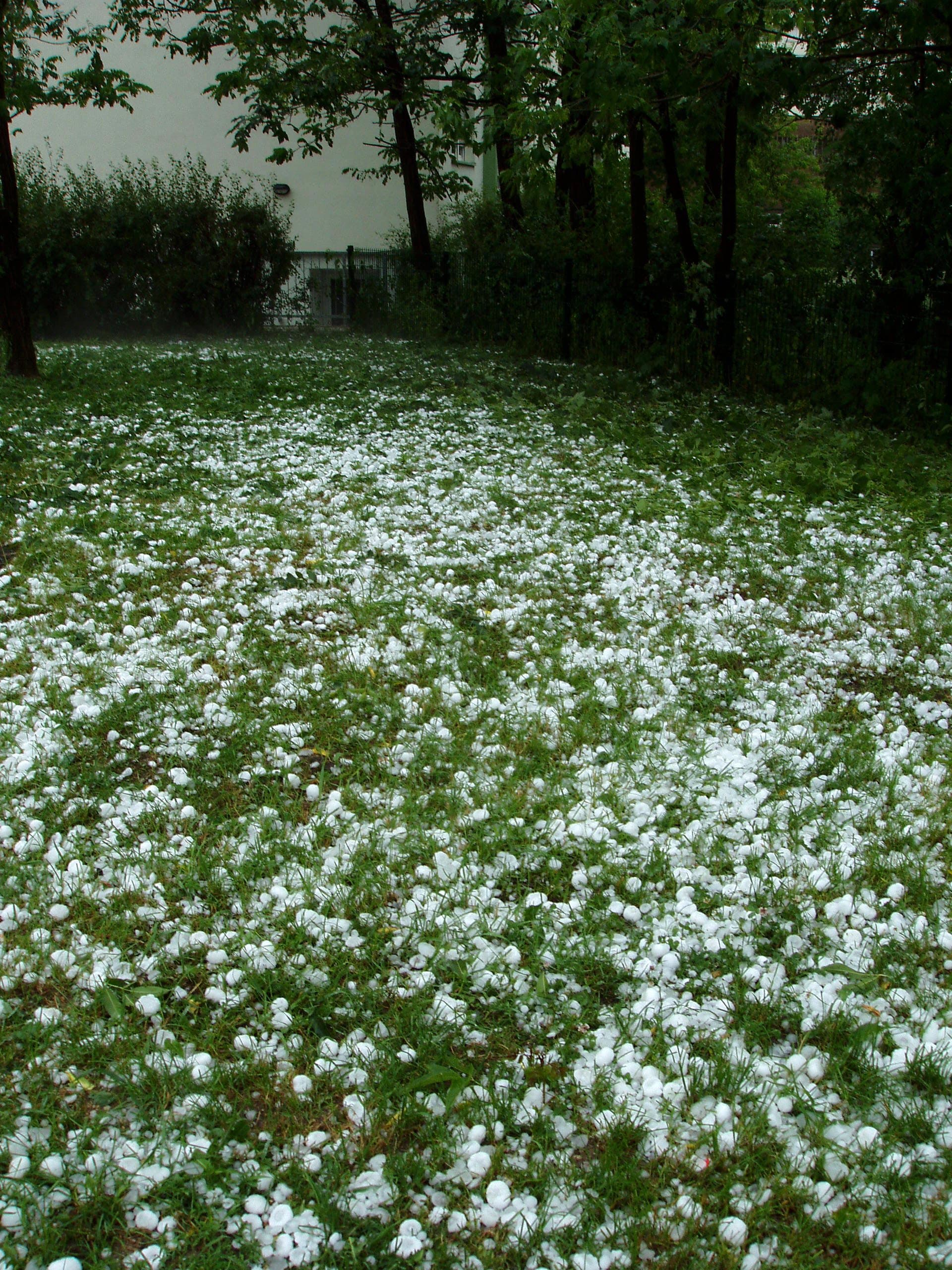
Some households will find that a restoration makes a later claim harder because the coating hid hail bruises or cracked pans. That is a building reason to inspect properly before you coat, not only an insurance reason. Hiding is not a specification.
Heritage, streetscape and the roof as a neighbour
In Chelmer, Graceville, Clayfield, New Farm, Paddington and a dozen other streets that still look like themselves, the roof is part of the public room. A sudden field of glossy charcoal on a row of weathered hips is a private decision with a public consequence. A well-done restoration that keeps the tile language of the street can be the conservative, neighbourly act. A replacement in a different material can be the honest act if the tiles are finished — and still deserve a colour and profile that can stand in a photograph of the block.
Character overlays and body-corporate palettes are not physics, but they are constraints as real as a dew point. Factor them early. A replacement that must mimic the old tile, or a restoration that must not go bright white, will move both cost and product. The worst outcome is a fight with the street after the skip has already arrived.
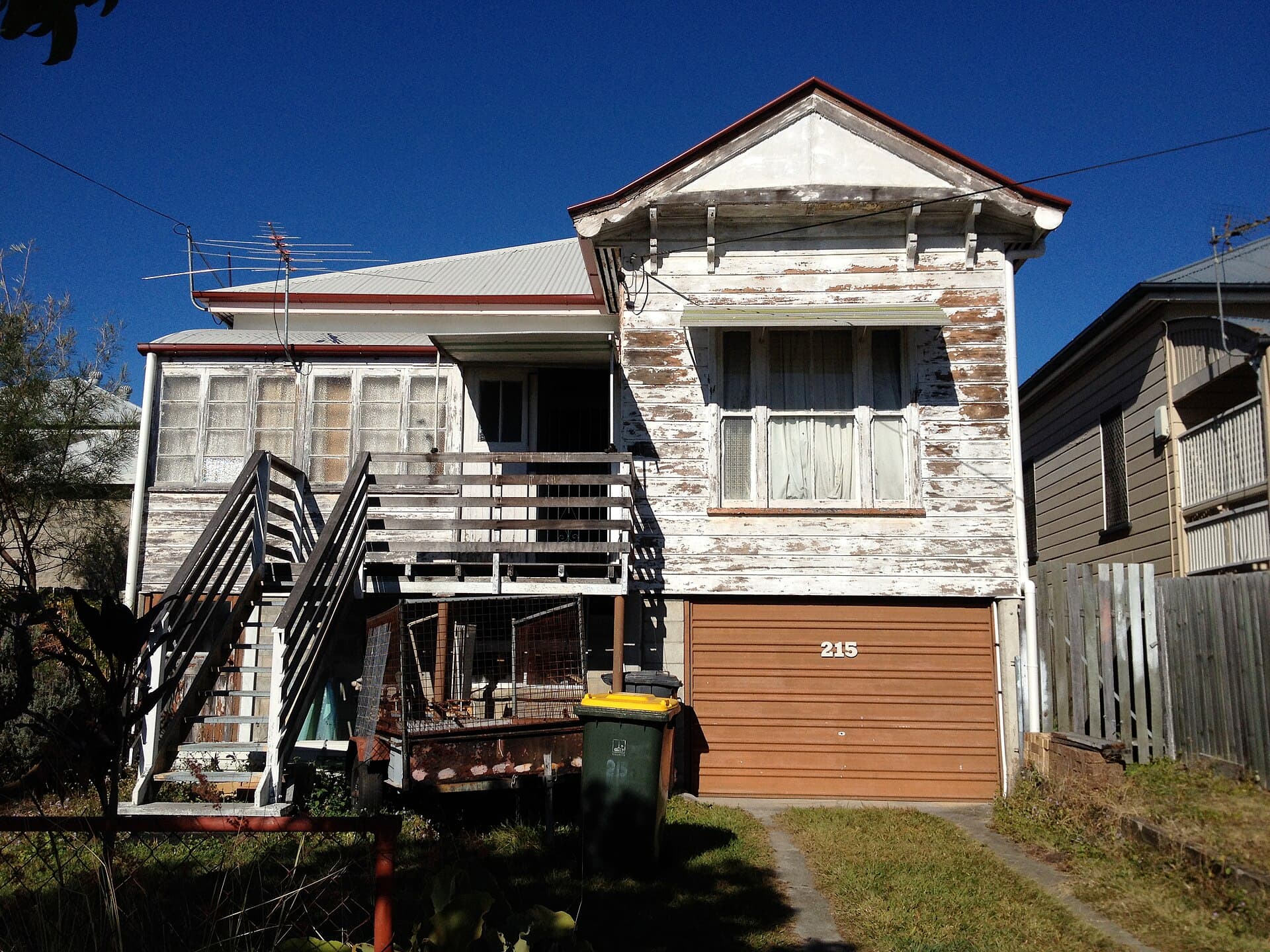
Queenslanders complicate the romance. Corrugated iron is the local poetry. It is also a trade with flashing details that punish shortcuts. Replacing a Queenslander roof is not “getting the tin done”. It is eaves, barges, verandah junctions, and a pitch that throws water the way it was taught in another century. Restoring that tin is not “a lick of paint”. It is rust, laps and the decision to stop calling holes a patina.
Trees belong in this section too. A replacement under a fig in St Lucia will be a replacement that needs gutters from week one. A restoration under the same fig will green on the southern pitch no matter how cool the tint. Neither job retires the tree. Price the maintenance, or price the prune, or admit that the garden is the senior partner.
A way to decide without a fake quote
Because this journal will not invent a pair of prices, here is a method that still works at the table.
- List what must be true in five years: dry ceilings in a January cell, an upstairs that is not cruel, a street that still recognises the house, a file an insurer can read, a roof you can maintain without a second mortgage of attention.
- List what the current roof can still do: strength, valleys, timber, flashings, solar, remaining face. If you cannot list these, you are not ready to choose. You are ready to inspect.
- Ask what restoration would actually buy — not the colour, but the years, the joints, the heat change if any, and the maintenance you must still do.
- Ask what replacement would actually buy: the new covering, the chance to redo sarking and insulation, the insurance cleanliness, the street change, the waste, the weeks of noise.
- Name the wrong-job signs: soft tiles, moving battens, rust that is structure, hail that is a field of failures, a restorer who will not look in the ceiling, a replacer who will not talk about flashings. If those signs are present, the cheaper-looking path is not a path.
- Refuse the false third option. A light spray to “get us through” is sold as if time were a product. Time is what the climate spends. You can only decide how you will meet it.
A roof is a remaining-life object. Colour is what we argue about when we are afraid to count the years.
In a city of wet seasons and hard sun, both restoration and replacement are ordinary, honourable jobs. The dishonour is in using one word for the other: calling a paint a roof, or calling a new roof the only adult choice because a quote was easier to print than an inspection. Stand in the yard in Chelmer, or wherever your particular hip meets the sky, and ask the remaining-life question twice. If the answers agree, you have a decision. If they do not, you still have a roof — and you should not coat it or rip it until they do.
Questions from the verandah
- When is restoration the wrong job?
- When the tiles or sheets are at the end of their structural life, when valleys and timber are gone, when hail has crushed a field rather than marked a face, or when the roof has failed as a system rather than as a surface. Coating that roof is a delay with a nice week in it.
- Is restoration always cheaper than replacement?
- Usually the invoice is smaller. The right question is cost per year of remaining honest life, plus energy and insurance effects. A cheap restoration on a dying roof is an expensive pause.
- Does a restored roof hurt a later sale or claim?
- It can, if the work hid problems or if the colour looks like a cover. It can also help, if the ridges, valleys and film are documented. Buyers and insurers both read a restoration as a story. Give them a true one.