Journal home / All articles / Money and decisions
Warranties that survive the first storm
A warranty on a Brisbane roof is only as real as the workmanship, the product batch and the things you are told not to do. The first serious cell is the audit.
Dean Harcourt · 17 March 2025 · Updated 8 June 2026
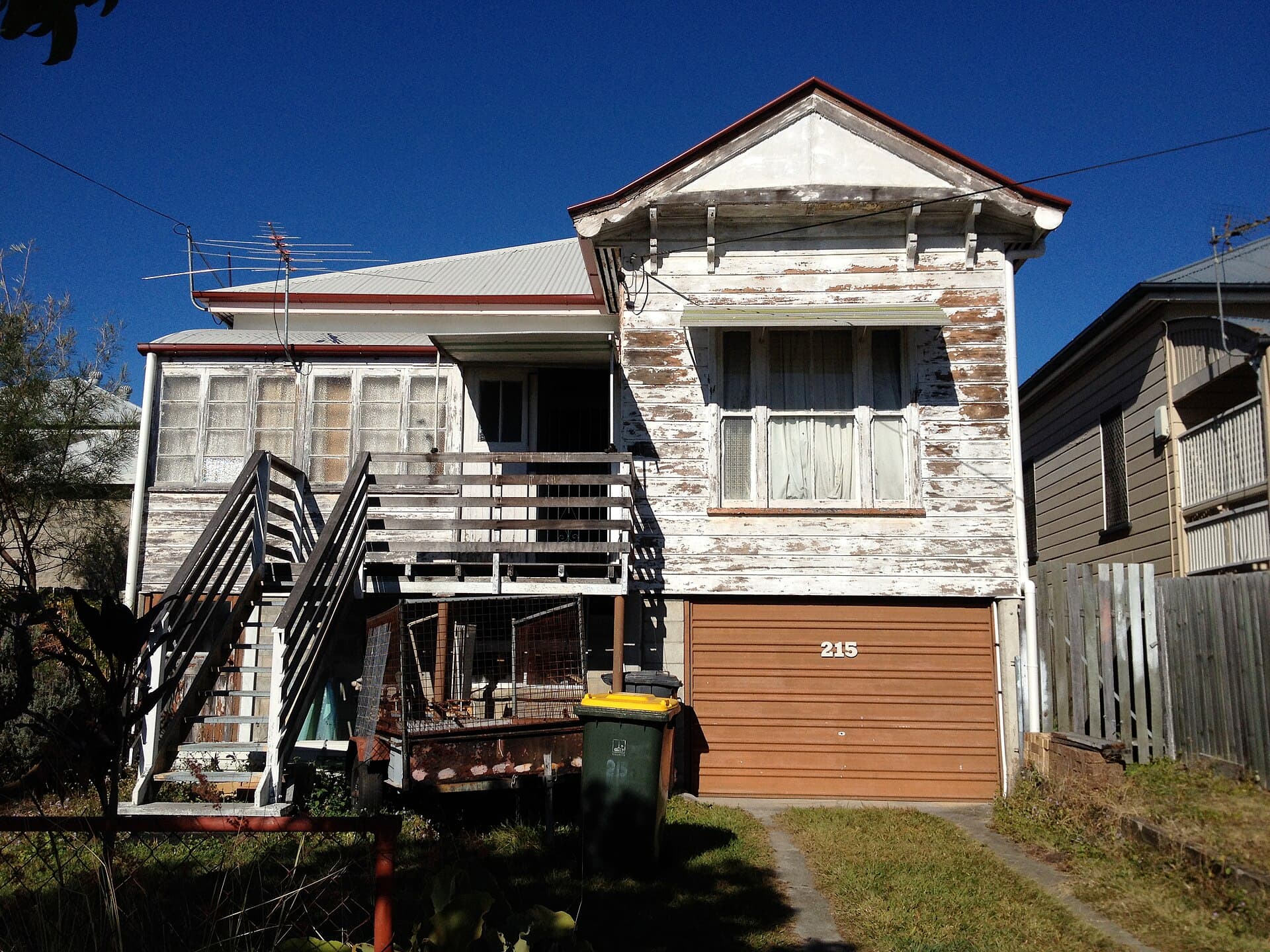
Timber Queenslander in New Farm, Brisbane. Photograph: Kgbo. CC BY-SA 4.0. Source: Wikimedia Commons. See the image credits page.
The first summer after a restoration has a way of editing the paperwork. A cell comes in from the west, the gutters roar, and something that was sold as a decade of peace shows a pale tide mark on the upstairs ceiling. The owner opens a folder. There is a certificate with a flourish. There is a page of conditions. There is, if the job was done in the old style, a verbal memory of “ten years, no worries” said on the verandah while the dog barked at the compressor.
Warranties in this trade are not all theatre. Decent manufacturers and decent applicators still stand behind films and pointing when the failure is theirs. The trouble is that the word “warranty” is asked to cover three different things — how the work was done, what the product is, and what the owner must not do — and only one of them is a sticker. The first storm is where those three things stop being theoretical.
This essay is about keeping the promise real. The product half is spelled out further in products, batch numbers and manufacturer warranties. The living-with-it half is in the first twelve months after restoration. The claim half, when the storm was bigger than the film, is in insurance, storm claims and restoration. What follows is the document you should have before anyone needs those other pages.
Workmanship is not a product, and a product is not a job
A workmanship warranty is a promise about labour: the ridges were prepared, the valleys were the ones agreed, the coats were applied to a dry roof in a window the data sheet would recognise, the flashings were dressed rather than drowned. If a ridge washes out in the first decent cell because the old mortar was painted over, that is workmanship. If a lap on a metal roof lifts because the fasteners were ignored, that is workmanship. If the colour bands because the second coat was chased into a January downpour, that is workmanship wearing a weather costume.
A product warranty is a promise about a material, usually conditional. The membrane will not peel or erode in some specified way if it was the right product, on the right substrate, at the right build, by someone the manufacturer is willing to call approved. The conditions are the job. A manufacturer will not pay for a film that was put on wet moss in Chelmer because a diary said Wednesday. They will not pay for a pointing compound used as a gap-filler on a valley that needed iron.
The sales confusion is deliberate or lazy, depending on the verandah. A long product warranty is waved as if it were a long job warranty. A workmanship period of a year or two is mumbled while the brochure says ten. You want both, in writing, with the name of the entity that will answer. A product warranty from a company you cannot telephone, attached to a workmanship promise from a crew that invoices under another name, is a maze. Mazes do well in the first month and poorly in the first storm.
Approved applicator status is part of the product story. It is not a halo. It means, at best, that the manufacturer has trained someone and will talk to them when a batch misbehaves. It does not mean the person on your roof that day was the trained person. Ask who is applying, not only who sold.
Batch numbers, dates and the dull evidence that matters
When a film fails in a way that looks like the drum rather than the hand, the manufacturer will ask for identification. Product name, batch number, date of application, photographs of the failure, and some account of the substrate. Without the batch, you are describing a colour. Colours are common.
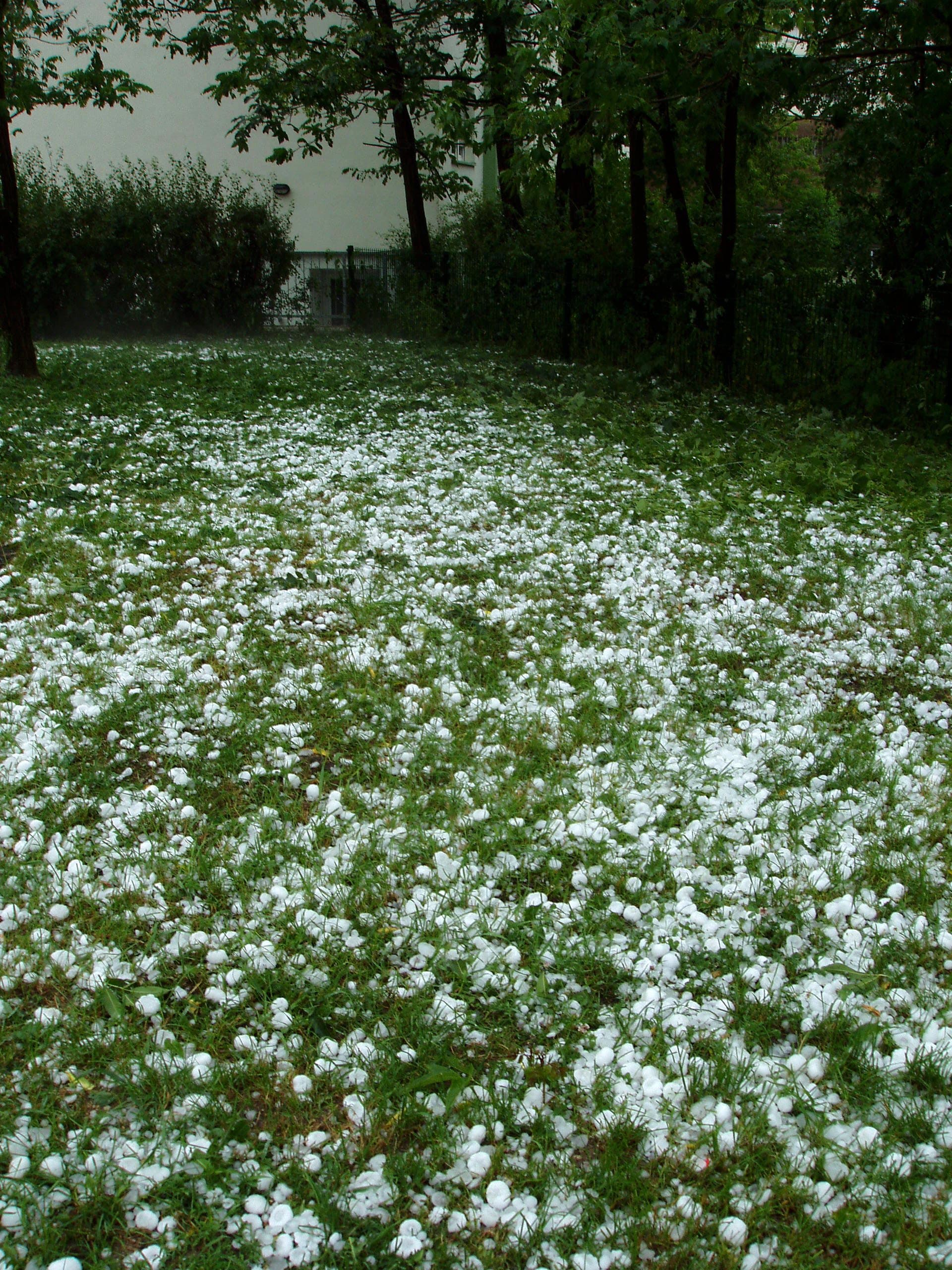
A serious crew records drums. They photograph labels. They leave you a sheet. If they do not, you can still photograph the tins on the day, like a person who has been disappointed before. Do it without apology. The same phone that photographed the hail will photograph the batch. Both pictures are for a future argument you hope not to have.
Dates matter because weather matters. A coating applied on a February morning with a dew point that was never going to play, then rained on at three, is a workmanship-and-weather problem even if the batch was perfect. The warranty file should at least show that the clock was noticed.
Keep the quote, the variation papers, the colour name, and any maintenance leaflet they actually gave you. Keep them out of the junk drawer that also holds takeaway menus. When a callback happens, the person on the other end will be a different person. Documents travel better than charm.
What voids a warranty, said plainly
Every warranty has a list of ways to make it vanish. The lists are not identical, but in this climate they rhyme.
Walking too soon. A membrane is not a path. The film needs the time the sheet asked for, which may be longer in humidity than the crew’s next booking. Footprints in a soft coat are not only ugly. They are a break in a system someone later wants to claim on.
Later trades. The solar installer, the NBN technician, the person who mounts a second array because rebates exist, the plumber who stands on a hip to reach a flue. Each can cut a film, crack a tile, or leave a penetration that is sealed with whatever was in the van. If you do not repair those interruptions in a way the original system recognises, you have a new roof with an old certificate.
Solar after the fact. This deserves its own sentence. Brisbane roofs acquire panels the way they acquire wheelie bins. A warranty that is silent about later solar is a warranty that will become silent when you need it. Ask, before the restoration, how penetrations should be done and who is allowed to do them. Write the answer down.
No maintenance. Gutters left as planters, a valley full of paperbark, a cracked tile from a later hailstorm left until the next wet season, a tree that now waters the southern pitch all night — these are not acts of God. They are the climate continuing. Manufacturers and applicators both use neglected maintenance as a door out of a claim. Sometimes they are being cheap. Sometimes they are describing the roof you handed back to the weather.
Wrong cleaning. Harsh chemicals, uncontrolled blasting, or a well-meaning weekend on a ladder with a stiff broom can take the film off and, with it, the cover. If the maintenance leaflet says soft wash and biocide, that is not a suggestion for people with more time.
Structural movement and later building work. A second storey, a removed wall, a new air-conditioner on the hip. The roof is allowed to be part of a changing house. The warranty is allowed to say it was not priced for that change.
Read the void list before you sign, not after the ceiling stain. If a condition is impossible — “no trees within five metres” on a block in Bardon that is the trees — you do not have a warranty. You have a wish.
The first storm as an audit, not a betrayal
A restoration is not a pact against weather. It is a set of joints and films that should survive ordinary subtropical punishment: wind-driven rain, a temperature drop, debris, a day of serious UV afterward. If the first cell finds a path that was always there — an ignored valley, a painted-over joint, a solar rubber that was never replaced — the warranty conversation should be about the path, not about the owner’s tone of voice.
Photograph again. The morning-after habits in the hail essay apply to any serious cell. Date, direction, what failed, what did not. A warranty claim that says “it leaked” is a mood. A warranty claim that says “the western hip joint washed out at the third cap from the barge, here are the photographs from 7 November and from the day of handover” is a file.
Be precise about betterment. If the storm tore off a tree and the tree tore off a corner of sound work, that is closer to insurance than to warranty. If the storm was ordinary and the work opened, that is closer to warranty than to insurance. People try to put every stain in the more convenient folder. The folders know the difference even when the verandah does not.
Do not let a callback become a silent overpaint. A crew that returns and sprays the symptom without looking at the valley is spending another drum on the same omission. You are allowed to ask for the cause. You are allowed to say that a warranty repair should be at least as specified as the original job.
What a surviving warranty looks like on paper
It is not a particular number of years. Years are a marketing language this trade has used until the words are thin. A surviving warranty looks like this:
- Two documents, or two clear sections: workmanship and product, with different responsible names.
- A named system, not “premium membrane”.
- Batch recording, or a place for it.
- A maintenance list a household could actually perform in this climate.
- A solar and later-trades clause that is realistic.
- A process for callback: who to write to, what to attach, how soon they will look.
- An entity that still exists, with a licence you can search, not only a trading name on a door.
The climate will provide the audit.
If the job is good, you may never use any of it. That is the point of a document that can survive a storm: it is there for the case when the work or the drum did not. Your task, in the quiet weeks after handover, is to keep the paper in a place you can find when the shelf cloud has passed and the upstairs ceiling is telling you that a promise has come due.
A last, unfashionable note. The best warranty is still a job that did not need to be sold as a warranty — ridges actually prepared, valleys actually replaced, coats actually dried, people who will come back because they live in the same city and the same weather. Paper helps. It does not replace the hours that were not removed to beat another quote. Buy the hours. File the paper. Walk gently on the film. When the first cell arrives, you will find out which of those things was real.
Questions from the verandah
- What is the difference between a workmanship warranty and a product warranty?
- Workmanship is the applicator’s promise about how the job was done. Product is the manufacturer’s promise about the material, usually if it was applied as specified by an approved person. They are not substitutes. A long product sticker on a poor job is a brochure, not a cover.
- What commonly voids a roof-coating warranty?
- Walking the film too early, later trades who cut or penetrate without repair, installing solar without agreed flashings, using the roof as a deck, and doing no maintenance at all — especially gutters and obvious storm damage left to sit. The exact list is in the document you should have been given.
- Do I need batch numbers?
- Yes if you want the manufacturer to take a complaint seriously. Batch numbers, product names and a date of application are how a coatings company traces a drum. Without them you have a story and a colour.